
"Central Andes coffee"
700 article(s) found

Description of flavor, taste and aroma characteristics of boutique coffee beans in Santa Cruz Manor
In the mid-15th century, there were legends about enchanted mysterious islands among fishermen fishing in the western Pacific Ocean of South America. It is said that the islands can sometimes be seen clearly from a distance, but when the ship approaches, it disappears again; sometimes it looks like a galleon, sometimes it shows the shape of a witch. The fishermen called these islands Magic Island and thought it was there.

An introduction to the characteristics of the coffee flavor and taste of the Santa Cruz Manor in Ecuador
West coast: including coastal plains and foothills, high in the east and low in the west, generally below 200 meters above sea level, with some hills and low mountains at an altitude of 600 to 700 meters. Belongs to the tropical rain forest climate, the southernmost end begins to transition to the savanna climate. The average annual precipitation decreases from more than 3000 mm to about 500mm from north to south. Central Mountains: the Andes enter Ecuador from Colombia

Colombian Santa Rita Coffee Manor Andes Micro-producing area American Coffee
The history of coffee cultivation in Colombia can be traced back to the Spanish colonial era in the 16th century, and there are many theories about the history of coffee in Colombia: one: it is said to come from the island of Haiti in the Caribbean and from El Salvador in Central America. Second: in 1808, a priest introduced coffee beans to Colombia for the first time from the French Antilles via Venezuela. One of them

Introduction to the characteristics of Santa Cruz Manor
Central mountain: after entering Ecuador from Colombia, the Andes is divided into the eastern and western Cordillera mountains, with a plateau high in the north and low in the south, averaging between 2500 and 3000 meters above sea level. The Andes run through the middle of the border. The ridges crisscross, dividing the plateau into more than ten intermountain basins. The most important are the Quito basin and the Cuenca basin in the south. There are many volcanoes in the territory.
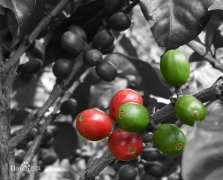
Micro-producing area of Santa Rita coffee in the Andes, Colombia
The history of coffee cultivation in Colombia can be traced back to the Spanish colonial era in the 16th century, and there are many theories about the history of coffee in Colombia: one: it is said to come from the island of Haiti in the Caribbean and from El Salvador in Central America. Second: in 1808, a priest introduced coffee beans to Colombia for the first time from the French Antilles via Venezuela. One of them

Peruvian coffee producing area Chanchamayo Zen tea Mayo coffee planting varieties Flavor taste characteristics
Professional coffee knowledge exchange More coffee bean information Please pay attention to coffee workshop (Weixin Official Accounts cafe_style) Peru is the place of ancient Inca Empire, covering an area of about 35.7 times that of Taiwan, extending the highest peak of South America, the Andes Mountains. At that time, 180 Spanish people entered the world-famous Golden City in 1533 and returned to Spain with a large amount of looted gold. 18th century
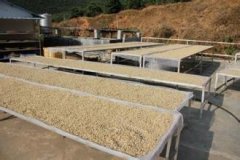
Light floral fruity Galapagos Fine Coffee Bean Growing Location Climate Elevation Simple
Central mountains: Andes from Colombia into Ecuador Err border, divided into east and west Cordillera mountains, between the two mountains for the north high south low plateau, average altitude between 2500 meters to 3000 meters. The Andes run through the middle of the border. Ridges crisscross the plateau, dividing it into more than a dozen intermountain basins. The most important are Quito Basin and Cuenca in the south.

Introduction to Galapagos Coffee with unique aroma of Ecuadorian Coffee Manor
West coast: including coastal plains and foothills, high in the east and low in the west, generally below 200 meters above sea level, with some hills and low mountains at an altitude of 600 to 700 meters. Belongs to the tropical rain forest climate, the southernmost end begins to transition to the savanna climate. The average annual precipitation decreases from more than 3000 mm to about 500mm from north to south. Central Mountains: the Andes enter Ecuador from Colombia
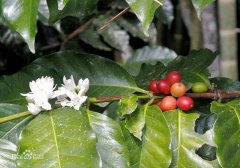
American coffee beans in the micro-producing areas of the Santa Rita Andes, Colombia
The history of coffee cultivation in Colombia can be traced back to the Spanish colonial era in the 16th century, and there are many theories about the history of coffee in Colombia: one: it is said to come from the island of Haiti in the Caribbean and from El Salvador in Central America. Second: in 1808, a priest introduced coffee beans to Colombia for the first time from the French Antilles via Venezuela. One of them
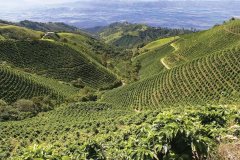
Colombia coffee growing areas and seasonal characteristics of Colombia coffee beans varieties Flavor description
|Colombia is the third largest coffee exporter in the world, mainly producing Arabica coffee and exporting the most Arabica beans. Colombia is rich in products, especially coffee, flowers, gold and emeralds known as the four treasures. Colombia is located in the northwestern part of the South American continent, with Panama in Central America

Water washing treatment of Santa Rita coffee beans in micro-producing areas of the Andes Mountains
The history of coffee cultivation in Nigeria can be traced back to the Spanish colonial era in the 16th century, and there are many theories about the history of coffee in Colombia: first, it is said to have come from the island of Haiti in the Caribbean and from El Salvador in Central America. Second: in 1808, a priest introduced coffee beans to Colombia for the first time from the French Antilles via Venezuela. One of them is

Flavor and taste characteristics of coffee manor in Ecuador introduction to Galapagos Coffee
Central mountain: after entering Ecuador from Colombia, the Andes is divided into the eastern and western Cordillera mountains, with a plateau high in the north and low in the south, averaging between 2500 and 3000 meters above sea level. The Andes run through the middle of the border. The ridges crisscross, dividing the plateau into more than ten intermountain basins. The most important are the Quito basin and the Cuenca basin in the south. Volcanic crowds in the territory

Introduction of Ecuador Galapagos Coffee Flavor Manor with unique flavor
Central mountain: after entering Ecuador from Colombia, the Andes is divided into the eastern and western Cordillera mountains, with a plateau high in the north and low in the south, averaging between 2500 and 3000 meters above sea level. The Andes run through the middle of the border. The ridges crisscross, dividing the plateau into more than ten intermountain basins. The most important are the Quito basin and the Cuenca basin in the south. Volcanic crowds in the territory

Ecuadorian Coffee with Special aroma Manor introduces Galapagos Coffee
The Republic of Ecuador is located in northwestern South America. It is bordered by Colombia in the northeast, Peru in the southeast and the Pacific Ocean in the west. It covers an area of 256370 square kilometers and the coastline is about 930km long. The equator runs through the north of the border, and Ecuador means the central mountain of the Spanish equator: after Colombia entered Ecuador, the Andes is divided into the East and West Cordillera Mountains.

Introduction to the characteristics of Santa Cruz Manor
Central mountain: after entering Ecuador from Colombia, the Andes is divided into the eastern and western Cordillera mountains, with a plateau high in the north and low in the south, averaging between 2500 and 3000 meters above sea level. The Andes run through the middle of the border. The ridges crisscross, dividing the plateau into more than ten intermountain basins. The most important are the Quito basin and the Cuenca basin in the south. Volcanic crowds in the territory

Ecuador Coffee Flavor Taste Variety Production Characteristics Fine Coffee Bean Introduction
Western coastal areas: including coastal plains and foothills, east high west low, generally below 200 meters above sea level, there are some hills and low mountains 600~700 meters above sea level. Tropical rain forest climate, the southernmost start to transition to a savanna climate. The annual average precipitation decreases from more than 3000 mm to about 500 mm from north to south. The Andes range from Colombia to Ecuador.

A brief introduction to the cultivation of sour and sweet Galapagos boutique coffee beans, geographical location, climate and altitude
Central mountain: after entering Ecuador from Colombia, the Andes is divided into the eastern and western Cordillera mountains, with a plateau high in the north and low in the south, averaging between 2500 and 3000 meters above sea level. The Andes run through the middle of the border. The ridges crisscross, dividing the plateau into more than ten intermountain basins. The most important are the Quito basin and the Cuenca basin in the south. Volcanic crowds in the territory

San Cristobal producing area of coffee plantation in central Ecuador
Ecuador is one of the few countries in South America that produces both Arabica coffee and Robbins coffee. However, as the land suitable for Arabica coffee trees is decreasing, the production of Robbins coffee is gradually increasing. The best Arabica coffee is produced in the Andes, especially in the Chanchagu Valley (Chanchamgo Valley). The Andes are divided into two mountains.

Does Ecuador's Andes Coffee taste good? Las Tolas Farm Coffee introduction
Professional Coffee knowledge Exchange more information about coffee beans Please follow Coffee Workshop (Wechat official account cafe_style) Las Tolas Farm is located on the slopes of the Andes at an elevation of 1700 meters, one of the seven biodiversity hotspots on earth, operated by Arnaud Causse which has been managed since 2004. Arnaud, who has lived in Ecuador for ten years, used to

Unique taste of Ecuadorian Coffee Manor characteristics, flavor and taste of Santa Cruz Manor
Central mountain: after entering Ecuador from Colombia, the Andes is divided into the eastern and western Cordillera mountains, with a plateau high in the north and low in the south, averaging between 2500 and 3000 meters above sea level. The Andes run through the middle of the border. The ridges crisscross, dividing the plateau into more than ten intermountain basins. The most important are the Quito basin and the Cuenca basin in the south. There are many volcanoes in the territory.